
Know Your Numbers: BP, Cholesterol, A1C Explained
What is a normal blood pressure? A healthy A1C? Clear charts for all four numbers that tell you how your insides are really doing. Know your numbers today.
August 31, 2026


The National Library of Medicine has thousands of studies exclaiming the importance of what they call, "lifestyle medicine." This is the relationship between living a healthy life and practicing healthy routines, habits, and behaviors in order to lead a truly healthy life.
This medicine has a prescription of:
• Physical activity
• Proper nutrition
• Weight management
• Avoiding tobacco products
• Stress management
• Prioritizing mental health
This is truly the "lifestyle medicine," the concoction that will help you achieve a healthy lifestyle, but how do you get started? How do you know you are progressing or how intense of workouts is safe but also beneficial? The answer is in the numbers.
The importance of knowing your numbers is crucial to creating a physiologically sound workout program that not only keeps you within safe parameters but also shows you if your insides are looking as good as your outsides, which is truly the more important reason to get healthy. Here, we are going to break down blood pressure, cholesterol, blood sugar, and A1C.
Blood Pressure
Blood pressure is the force your blood exerts against the walls of your arteries as it is pumped out of the heart and throughout the body. It is broken down into two numbers: systolic and diastolic.
• Systolic is the pressure against your arteries when your heart is pumping blood throughout your body.
• Diastolic is the pressure when the heart is resting between beats.
Here is the blood pressure ranges you should be monitoring in.
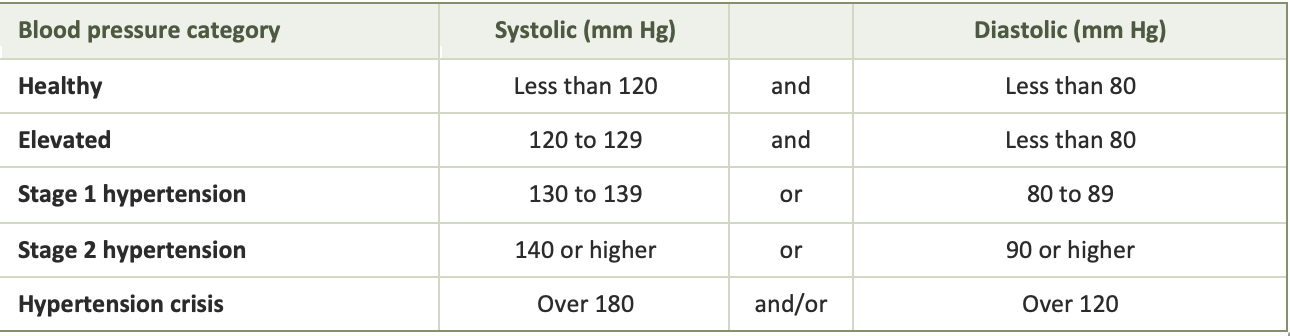
High blood pressure often develops without noticeable symptoms but uncontrolled hypertension increases the risk of heart disease, stroke, kidney disease, and other serious health complications.
Cholesterol
Another important number to know is your cholesterol. Cholesterol is the waxy, fatty substance that is found in our blood.
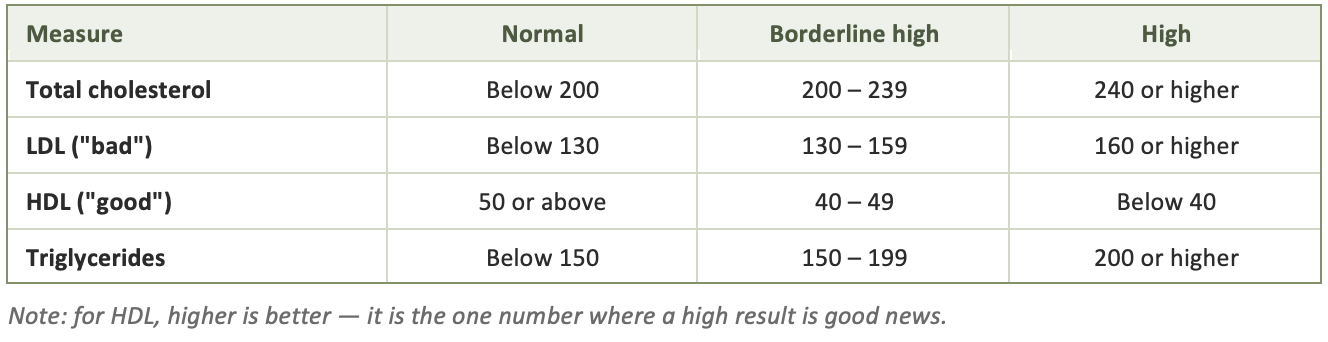
Your lipid panel is broken into 3 different numbers:
• "HDL" — good cholesterol that helps remove extra cholesterol from the blood stream
• "LDL" — bad cholesterol that builds up as plaque and clogs our arteries, causing bad blood flow and essentially making your heart work harder
• Triglycerides — a separate type of fat your body stores for energy
A normal range to be is below 200 total. When "LDL" cholesterol and triglycerides become too high, plaque begins to accumulate and increases the risk of heart attack and stroke.

Blood Glucose and A1C
Blood glucose, also known as blood sugar is your body's primary source of energy. Glucose comes from the foods you eat and is regulated by the hormone called insulin.
A fasting blood glucose level within normal range is below 100 mg/dL, 100–125 mg/dL is prediabetic level and over 126 mg/dL is the diabetic range.
You can look at your average blood sugar levels over the previous two to three months by looking at your A1C levels. A1C analyzes how coated your red blood cells are in sugar! A healthy normal range is 5.7% or below.

Prevention
While genetics and age can influence your numbers, many lifestyle habits can improve them.
Stay active and aim for at least 150 minutes of moderate exercise a week.
Focus on nutrition — what you eat should fuel your body and give your body the energy it needs to function.
How often should you check?
For most healthy adults, blood pressure is worth checking at least once a year, and more often if you have had an elevated reading before. Cholesterol and blood glucose are typically checked every four to six years for adults at low risk, and annually for anyone managing an existing condition or carrying risk factors.
If you already have a reading outside the normal range, your provider will usually want to see you more often than that. Ask them what interval makes sense for you rather than guessing.
Common Questions
What is a normal blood pressure reading?
Less than 120 systolic and less than 80 diastolic. Anything at or above 130/80 falls into a hypertension category and is worth discussing with a provider.
What does A1C actually measure?
It reflects your average blood sugar over the previous two to three months, by measuring how much sugar has attached to your red blood cells. Below 5.7% is normal, 5.7% to 6.4% is prediabetes, and 6.5% or higher indicates diabetes.
Is high cholesterol always bad?
Not exactly. HDL is the "good" cholesterol, and a higher HDL number is protective. It is high LDL and high triglycerides that raise your risk.
Do I need to fast before a cholesterol or glucose test?
Fasting glucose requires it, usually eight to twelve hours. Some cholesterol panels no longer require fasting, so ask when you schedule.
Can lifestyle changes really move these numbers?
Yes. Physical activity, nutrition, weight management, avoiding tobacco, and stress management all measurably affect blood pressure, cholesterol, and blood sugar. Genetics set the starting point, not the ceiling.
Where can I get my numbers checked in Greensboro?
Your primary care provider is the usual starting point. One Wellness Center can help you build a program around your results once you have them.
What Your Numbers Mean for Your Program
Knowing where you stand is what makes a workout program safe and specific rather than generic. One Wellness Center builds individualized programs around your actual numbers, your current ability, and your schedule.
Call (336) 355-9006 or email info@onewellnesscenter.org to schedule a consultation.
You can also explore our fitness and nutrition programs or reach us through our contact page.